What Is IMAX? The Complete Guide to IMAX Cinema, Screen Technology, and the Ultimate Movie Experience

What Is IMAX? The Complete Guide to IMAX Technology and Why It Delivers the Ultimate Movie Experience
Watching a movie today is about much more than choosing a title. Movie lovers also ask an equally important question: Which format should I watch it in?
With modern cinema offering experiences such as IMAX, Dolby Cinema, 3D, and 4DX, audiences have more choices than ever before. Among all these formats, IMAX has become one of the world's most recognizable premium cinema experiences, attracting movie fans looking for bigger screens, sharper images, and immersive sound.
But what exactly is IMAX? Why do directors like Christopher Nolan insist on using IMAX cameras? Is it really worth paying more for an IMAX ticket? And how does it compare to a standard movie theater?
In this complete guide, we'll explore everything you need to know about IMAX technology, how it works, what makes it different, and why millions of moviegoers choose IMAX every year.
What Is IMAX?
IMAX is a premium large-format cinema technology designed to create a more immersive movie experience than traditional theaters.
Unlike a standard cinema, IMAX combines several advanced technologies into one complete system, including:
Huge screens that reach the ceiling
Projection with high resolution
Surround sound is precisely engineered.
Optimized theater architecture
Enhanced image processing
Rather than improving just one aspect of movie presentation, IMAX upgrades the entire viewing experience from the moment the lights go down.
The History of IMAX
IMAX was first developed in Canada during the late 1960s by filmmakers and engineers who wanted to create a more realistic and immersive way to experience films.
Originally, IMAX presentations were used in museums, science centers, and educational exhibitions, where audiences could enjoy breathtaking documentaries on enormous screens.
As projection technology improved, Hollywood recognized IMAX's potential for blockbuster filmmaking. Today, many of the biggest productions in the world are either filmed with IMAX cameras or specially optimized for IMAX theaters.
How Does IMAX Work?
IMAX is much more than simply installing a larger screen inside a theater.
Every part of the system is engineered to maximize immersion.
Screen in large format
The first thing audiences notice is the enormous screen.
Unlike traditional movie theaters, IMAX screens extend much higher and wider, filling a much larger portion of your field of vision.
Instead of feeling like you're watching a movie from a distance, the picture surrounds your vision and pulls you into the story.
Advanced Projection Technology
Modern IMAX theaters use highly advanced projection systems capable of delivering remarkable image quality.
Many locations now feature IMAX with Laser, offering:
Brighter images
Improved contrast
Richer colors
Greater detail
Better visibility during dark scenes
These improvements are especially noticeable in visually stunning films featuring large-scale environments, outer space, underwater worlds, or detailed visual effects.
Precision Audio System
Picture quality is only part of the experience.
IMAX theaters also feature specially calibrated audio systems designed specifically for each auditorium.
Dialogue remains clear, music sounds powerful, and sound effects move naturally throughout the room.
Rather than simply being louder, IMAX audio is carefully balanced to create an immersive environment where every sound feels intentional.
What Makes an IMAX Screen Different?
Many people assume IMAX simply means a bigger screen.
In reality, several factors work together to produce the unique IMAX experience.
Size
IMAX screens are significantly larger than standard cinema screens, allowing audiences to see more of every scene.
Large landscapes, action sequences, and visual effects become far more impressive when displayed at this scale.
Higher Resolution
Advanced projection systems deliver exceptional clarity, allowing viewers to notice fine textures, facial expressions, and environmental details that might be less visible in standard theaters.
Improved Brightness and Color
Modern IMAX projection produces brighter images while maintaining accurate colors and deep contrast.
Even fast-moving action scenes remain crisp and vibrant.
Why Do IMAX Movies Feel Different?
One reason IMAX stands out is that some movies are actually created with the format in mind.
Directors such as Christopher Nolan frequently shoot scenes using IMAX cameras, allowing those sequences to expand vertically on IMAX screens.
Instead of simply enlarging the image, audiences actually see more of the original picture, making certain moments feel larger and more immersive.
This is one reason epic films often feel dramatically different in IMAX compared to standard presentations.
3D cinema offers a completely different visual experience compared to standard cinema. While regular cinema displays movies in traditional 2D format without the need for special glasses, providing a moderate level of immersion suitable for all genres, 3D cinema elevates realism by utilizing a three-dimensional display format that requires dedicated glasses. This technology delivers a high level of immersion, making elements and characters appear as if they are popping off the screen towards the audience, making 3D cinema the ideal choice for watching animated, adventure, and films with visual effects.
Are All Movies Worth Watching in IMAX?
Not necessarily.
Some genres benefit much more than others.
IMAX is especially effective for:
Action movies
Superhero films
Science fiction
Adventure movies
Fantasy epics
Nature documentaries
These films often feature large environments, impressive visual effects, and dynamic cinematography that fully utilize IMAX technology.
For dialogue-driven stories or smaller dramas, the premium format might not be as helpful.
IMAX vs. 3D: What's the Difference?
One of the most common questions moviegoers ask is whether IMAX and 3D are the same thing.
The answer is no.
IMAX is a complete premium cinema format that improves screen size, image quality, projection, and sound. 3D, on the other hand, is simply a viewing technique that creates the illusion of depth using special glasses.
The two technologies can work together in IMAX 3D, but they are not dependent on each other.
Many blockbuster films are released in both IMAX 2D and IMAX 3D, allowing audiences to choose the experience they prefer.
Both formats aim to give moviegoers an engaging experience, but IMAX and 3D cinema are very different in the way they deliver it. The screen is much bigger, the picture is better, and the sound system is professional and immersive, with an insanely wide field of view. Unlike 3D cinema, which uses a standard-sized screen and a normal sound system but emphasizes three-dimensional visual depth (and requires special glasses). Both formats provide a great deal of immersion, with IMAX achieving this through its large size and crystal-clear audio-visuals and 3D immersing the audience by making elements on screen appear to pop out into the theater.
IMAX vs Dolby Cinema
Another premium cinema format often compared with IMAX is Dolby Cinema.
Although both deliver outstanding movie experiences, they focus on different strengths.
IMAX emphasizes:
Massive screens
Expanded image
Immersive scale
Spectacular presentation
Dolby Cinema emphasizes the following:
Incredible contrast
Richer colors
Deep black levels
Dolby Atmos surround sound
Neither format is objectively better in every situation.
For epic adventures, superhero films, and action movies with a big budget, many audiences prefer IMAX because of its enormous presentation.
For visually dark films with intricate lighting and dramatic cinematography, Dolby Cinema may provide an advantage.
IMAX vs 4DX
These two formats create completely different experiences.
IMAX enhances the movie itself through better picture and sound.
4DX enhances the theater environment by adding physical effects.
A 4DX auditorium may include the following:
Moving seats
Wind effects
Water sprays
Fog
Scents
Lightning simulation
Vibration
While 4DX creates an amusement-park-style experience, IMAX focuses on delivering the director's vision with maximum visual and audio quality.
If you want to experience the movie exactly as it was intended to be seen, IMAX is often the preferred choice.
Are All Movies Filmed with IMAX Cameras?
No.
There are actually several different categories of IMAX releases.
Movies Filmed with IMAX Cameras
Some productions use genuine IMAX cameras during filming.
These movies can display expanded aspect ratios that reveal more of the original image inside IMAX theaters.
Movies Partially Filmed with IMAX
Many Hollywood blockbusters shoot selected sequences using IMAX cameras.
These scenes expand to fill more of the screen, while the remaining portions of the film maintain traditional framing.
Movies Enhanced for IMAX
Some films are never photographed using IMAX cameras but receive specialized mastering for IMAX presentation.
This process optimizes image quality and sound to take full advantage of IMAX projection systems.
What Does "Filmed for IMAX" Mean?
When you see "Filmed for IMAX," it means the production was intentionally designed to maximize the IMAX experience.
This may involve:
Digital cameras with IMAX certification
IMAX film cameras
Expanded aspect ratios
Specialized image processing
The goal is to give audiences a larger, more immersive presentation.
What Does "Enhanced for IMAX" Mean?
Enhanced for IMAX refers to films that have been specially remastered for IMAX theaters.
Although they may not have been captured entirely using IMAX cameras, the picture and sound are optimized to deliver the highest possible quality on IMAX screens.
Some of the Most Impressive IMAX Movies
Many of the biggest films in cinema history have benefited from IMAX technology.
Some standout examples include:
Oppenheimer
Dune
Avatar
Mission: Impossible
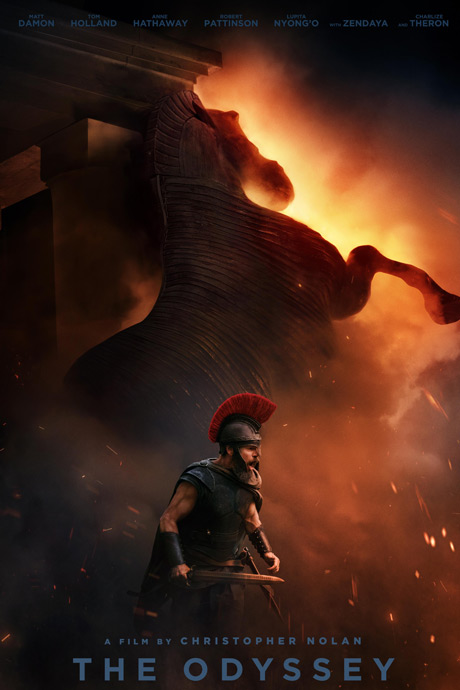
The Odyssey
Numerous Marvel Studios productions
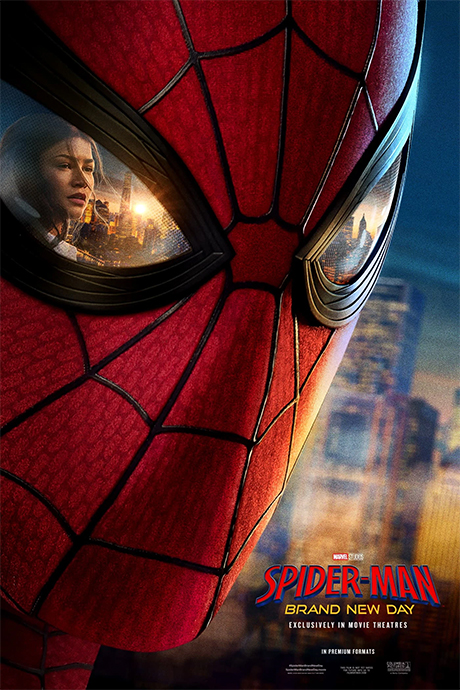
Several Spider-Man adventures
These films feature breathtaking landscapes, large-scale action sequences, and visual effects that truly shine on an IMAX screen.
Is IMAX Worth the Extra Ticket Price?
For many movie lovers, absolutely.
The difference is especially noticeable when watching:
Superhero films
Adventures in science fiction
Epics in space
Fantasy movies
Action blockbusters
Nature documentaries
The combination of larger images, sharper visuals, and immersive sound creates a premium experience that many viewers consider well worth the additional cost.
For smaller character driven dramas or romantic comedies however, the difference may be less significant.
Where Should You Sit in an IMAX Theater?
Choosing the right seat can make a noticeable difference.
Most cinema experts recommend:
Sitting near the horizontal center of the auditorium.
Selecting rows in the middle or slightly toward the back.
This position provides the best balance between viewing angle and surround sound.
Sitting too close to the screen may require excessive head movement, reducing overall comfort.
Tips for the Best IMAX Experience
To get the most from your IMAX visit:
Choose movies specifically filmed or enhanced for IMAX.
Book tickets early for the best seating.
Arrive before the trailers begin.
Watch visually spectacular movies whenever possible.
Consider IMAX for major franchise releases such as Marvel, science-fiction adventures, and big-budget action films.
Why Movie Fans Continue to Choose IMAX
Streaming technology continues to improve every year, yet IMAX remains one of the few experiences that simply cannot be recreated at home.
The enormous screen, powerful sound system, exceptional image quality, and immersive presentation transform watching a movie into an event rather than simply another evening of entertainment.
Whether you're seeing the latest Marvel blockbuster, a Christopher Nolan epic, or an unforgettable science-fiction adventure, IMAX brings audiences closer to the filmmaker's original vision than traditional movie formats.
Conclusion
IMAX is one of the most revered premium cinema formats in the world because it enhances every aspect of the moviegoing experience from bigger screens and crystal clear projection, to immersive sound and incredible visuals.
While not every film requires the IMAX treatment, blockbuster adventures, superhero stories, fantasy epics, and visually ambitious productions often reach their full potential on an IMAX screen.
If you're planning your next movie night, explore the latest Now Showing and Coming Soon movies at Renaissance Cinemas to discover which films are available in premium formats and choose the experience that best matches your favorite type of movie.
Watching a movie today is about much more than choosing a title. Movie lovers also ask an equally important question: Which format should I watch it in?
With modern cinema offering experiences such as IMAX, Dolby Cinema, 3D, and 4DX, audiences have more choices than ever before. Among all these formats, IMAX has become one of the world's most recognizable premium cinema experiences, attracting movie fans looking for bigger screens, sharper images, and immersive sound.
But what exactly is IMAX? Why do directors like Christopher Nolan insist on using IMAX cameras? Is it really worth paying more for an IMAX ticket? And how does it compare to a standard movie theater?
In this complete guide, we'll explore everything you need to know about IMAX technology, how it works, what makes it different, and why millions of moviegoers choose IMAX every year.
What Is IMAX?
IMAX is a premium large-format cinema technology designed to create a more immersive movie experience than traditional theaters.
Unlike a standard cinema, IMAX combines several advanced technologies into one complete system, including:
Huge screens that reach the ceiling
Projection with high resolution
Surround sound is precisely engineered.
Optimized theater architecture
Enhanced image processing
Rather than improving just one aspect of movie presentation, IMAX upgrades the entire viewing experience from the moment the lights go down.
The History of IMAX
IMAX was first developed in Canada during the late 1960s by filmmakers and engineers who wanted to create a more realistic and immersive way to experience films.
Originally, IMAX presentations were used in museums, science centers, and educational exhibitions, where audiences could enjoy breathtaking documentaries on enormous screens.
As projection technology improved, Hollywood recognized IMAX's potential for blockbuster filmmaking. Today, many of the biggest productions in the world are either filmed with IMAX cameras or specially optimized for IMAX theaters.
How Does IMAX Work?
IMAX is much more than simply installing a larger screen inside a theater.
Every part of the system is engineered to maximize immersion.
Screen in large format
The first thing audiences notice is the enormous screen.
Unlike traditional movie theaters, IMAX screens extend much higher and wider, filling a much larger portion of your field of vision.
Instead of feeling like you're watching a movie from a distance, the picture surrounds your vision and pulls you into the story.
Advanced Projection Technology
Modern IMAX theaters use highly advanced projection systems capable of delivering remarkable image quality.
Many locations now feature IMAX with Laser, offering:
Brighter images
Improved contrast
Richer colors
Greater detail
Better visibility during dark scenes
These improvements are especially noticeable in visually stunning films featuring large-scale environments, outer space, underwater worlds, or detailed visual effects.
Precision Audio System
Picture quality is only part of the experience.
IMAX theaters also feature specially calibrated audio systems designed specifically for each auditorium.
Dialogue remains clear, music sounds powerful, and sound effects move naturally throughout the room.
Rather than simply being louder, IMAX audio is carefully balanced to create an immersive environment where every sound feels intentional.
What Makes an IMAX Screen Different?
Many people assume IMAX simply means a bigger screen.
In reality, several factors work together to produce the unique IMAX experience.
Size
IMAX screens are significantly larger than standard cinema screens, allowing audiences to see more of every scene.
Large landscapes, action sequences, and visual effects become far more impressive when displayed at this scale.
Higher Resolution
Advanced projection systems deliver exceptional clarity, allowing viewers to notice fine textures, facial expressions, and environmental details that might be less visible in standard theaters.
Improved Brightness and Color
Modern IMAX projection produces brighter images while maintaining accurate colors and deep contrast.
Even fast-moving action scenes remain crisp and vibrant.
Why Do IMAX Movies Feel Different?
One reason IMAX stands out is that some movies are actually created with the format in mind.
Directors such as Christopher Nolan frequently shoot scenes using IMAX cameras, allowing those sequences to expand vertically on IMAX screens.
Instead of simply enlarging the image, audiences actually see more of the original picture, making certain moments feel larger and more immersive.
This is one reason epic films often feel dramatically different in IMAX compared to standard presentations.
3D cinema offers a completely different visual experience compared to standard cinema. While regular cinema displays movies in traditional 2D format without the need for special glasses, providing a moderate level of immersion suitable for all genres, 3D cinema elevates realism by utilizing a three-dimensional display format that requires dedicated glasses. This technology delivers a high level of immersion, making elements and characters appear as if they are popping off the screen towards the audience, making 3D cinema the ideal choice for watching animated, adventure, and films with visual effects.
Are All Movies Worth Watching in IMAX?
Not necessarily.
Some genres benefit much more than others.
IMAX is especially effective for:
Action movies
Superhero films
Science fiction
Adventure movies
Fantasy epics
Nature documentaries
These films often feature large environments, impressive visual effects, and dynamic cinematography that fully utilize IMAX technology.
For dialogue-driven stories or smaller dramas, the premium format might not be as helpful.
IMAX vs. 3D: What's the Difference?
One of the most common questions moviegoers ask is whether IMAX and 3D are the same thing.
The answer is no.
IMAX is a complete premium cinema format that improves screen size, image quality, projection, and sound. 3D, on the other hand, is simply a viewing technique that creates the illusion of depth using special glasses.
The two technologies can work together in IMAX 3D, but they are not dependent on each other.
Many blockbuster films are released in both IMAX 2D and IMAX 3D, allowing audiences to choose the experience they prefer.
Both formats aim to give moviegoers an engaging experience, but IMAX and 3D cinema are very different in the way they deliver it. The screen is much bigger, the picture is better, and the sound system is professional and immersive, with an insanely wide field of view. Unlike 3D cinema, which uses a standard-sized screen and a normal sound system but emphasizes three-dimensional visual depth (and requires special glasses). Both formats provide a great deal of immersion, with IMAX achieving this through its large size and crystal-clear audio-visuals and 3D immersing the audience by making elements on screen appear to pop out into the theater.
IMAX vs Dolby Cinema
Another premium cinema format often compared with IMAX is Dolby Cinema.
Although both deliver outstanding movie experiences, they focus on different strengths.
IMAX emphasizes:
Massive screens
Expanded image
Immersive scale
Spectacular presentation
Dolby Cinema emphasizes the following:
Incredible contrast
Richer colors
Deep black levels
Dolby Atmos surround sound
Neither format is objectively better in every situation.
For epic adventures, superhero films, and action movies with a big budget, many audiences prefer IMAX because of its enormous presentation.
For visually dark films with intricate lighting and dramatic cinematography, Dolby Cinema may provide an advantage.
IMAX vs 4DX
These two formats create completely different experiences.
IMAX enhances the movie itself through better picture and sound.
4DX enhances the theater environment by adding physical effects.
A 4DX auditorium may include the following:
Moving seats
Wind effects
Water sprays
Fog
Scents
Lightning simulation
Vibration
While 4DX creates an amusement-park-style experience, IMAX focuses on delivering the director's vision with maximum visual and audio quality.
If you want to experience the movie exactly as it was intended to be seen, IMAX is often the preferred choice.
Are All Movies Filmed with IMAX Cameras?
No.
There are actually several different categories of IMAX releases.
Movies Filmed with IMAX Cameras
Some productions use genuine IMAX cameras during filming.
These movies can display expanded aspect ratios that reveal more of the original image inside IMAX theaters.
Movies Partially Filmed with IMAX
Many Hollywood blockbusters shoot selected sequences using IMAX cameras.
These scenes expand to fill more of the screen, while the remaining portions of the film maintain traditional framing.
Movies Enhanced for IMAX
Some films are never photographed using IMAX cameras but receive specialized mastering for IMAX presentation.
This process optimizes image quality and sound to take full advantage of IMAX projection systems.
What Does "Filmed for IMAX" Mean?
When you see "Filmed for IMAX," it means the production was intentionally designed to maximize the IMAX experience.
This may involve:
Digital cameras with IMAX certification
IMAX film cameras
Expanded aspect ratios
Specialized image processing
The goal is to give audiences a larger, more immersive presentation.
What Does "Enhanced for IMAX" Mean?
Enhanced for IMAX refers to films that have been specially remastered for IMAX theaters.
Although they may not have been captured entirely using IMAX cameras, the picture and sound are optimized to deliver the highest possible quality on IMAX screens.
Some of the Most Impressive IMAX Movies
Many of the biggest films in cinema history have benefited from IMAX technology.
Some standout examples include:
Oppenheimer
Dune
Avatar
Mission: Impossible
The Odyssey
Numerous Marvel Studios productions
Several Spider-Man adventures
These films feature breathtaking landscapes, large-scale action sequences, and visual effects that truly shine on an IMAX screen.
Is IMAX Worth the Extra Ticket Price?
For many movie lovers, absolutely.
The difference is especially noticeable when watching:
Superhero films
Adventures in science fiction
Epics in space
Fantasy movies
Action blockbusters
Nature documentaries
The combination of larger images, sharper visuals, and immersive sound creates a premium experience that many viewers consider well worth the additional cost.
For smaller character driven dramas or romantic comedies however, the difference may be less significant.
Where Should You Sit in an IMAX Theater?
Choosing the right seat can make a noticeable difference.
Most cinema experts recommend:
Sitting near the horizontal center of the auditorium.
Selecting rows in the middle or slightly toward the back.
This position provides the best balance between viewing angle and surround sound.
Sitting too close to the screen may require excessive head movement, reducing overall comfort.
Tips for the Best IMAX Experience
To get the most from your IMAX visit:
Choose movies specifically filmed or enhanced for IMAX.
Book tickets early for the best seating.
Arrive before the trailers begin.
Watch visually spectacular movies whenever possible.
Consider IMAX for major franchise releases such as Marvel, science-fiction adventures, and big-budget action films.
Why Movie Fans Continue to Choose IMAX
Streaming technology continues to improve every year, yet IMAX remains one of the few experiences that simply cannot be recreated at home.
The enormous screen, powerful sound system, exceptional image quality, and immersive presentation transform watching a movie into an event rather than simply another evening of entertainment.
Whether you're seeing the latest Marvel blockbuster, a Christopher Nolan epic, or an unforgettable science-fiction adventure, IMAX brings audiences closer to the filmmaker's original vision than traditional movie formats.
Conclusion
IMAX is one of the most revered premium cinema formats in the world because it enhances every aspect of the moviegoing experience from bigger screens and crystal clear projection, to immersive sound and incredible visuals.
While not every film requires the IMAX treatment, blockbuster adventures, superhero stories, fantasy epics, and visually ambitious productions often reach their full potential on an IMAX screen.
If you're planning your next movie night, explore the latest Now Showing and Coming Soon movies at Renaissance Cinemas to discover which films are available in premium formats and choose the experience that best matches your favorite type of movie.
Frequently Asked Questions
IMAX is a premium large-format cinema system that combines massive screens, advanced projection, and immersive surround sound to deliver a superior movie experience.
A more immersive viewing experience is produced by IMAX's much larger screens, superior image quality, increased brightness, and expertly designed sound systems.
No. IMAX is a complete cinema format, while 3D is a viewing technology that creates depth using special glasses. Some movies are available in IMAX 3D.
No. Only selected films are released in IMAX, and some are specifically filmed or enhanced to take full advantage of the format.
It indicates that the film was made with approved IMAX cameras or methods intended to enhance the IMAX viewing experience.
Enhanced for IMAX refers to movies that have been digitally optimized for IMAX theaters, improving image and sound quality without necessarily being filmed using IMAX cameras.
For action, superhero, science fiction, fantasy, and visually spectacular films, most moviegoers believe IMAX is worth the additional cost because of its superior picture and sound.
The ideal seats are usually located near the center of the auditorium and in the middle rows, providing the best balance of screen visibility and surround sound.
Many films can be presented in IMAX, but movies specifically filmed or enhanced for IMAX generally provide the best experience.
Epic blockbusters such as Oppenheimer, Dune, Avatar, Mission: Impossible, The Odyssey, and many Marvel films are excellent choices for IMAX viewing.
Yes. IMAX theaters use specially calibrated surround sound systems that deliver exceptional dialogue clarity, dynamic effects, and immersive audio throughout the auditorium.
Movie fans choose IMAX because it delivers larger images, sharper visuals, immersive sound, and a premium cinema experience that is difficult to replicate at home.
Comments
Leave a Comment
No comments yet. Be the first to comment!